Understanding caregiver responsibilities is crucial for ensuring safety, comfort, and quality of life for those receiving care. This guide breaks down the essentials and provides practical advice for managing them effectively, whether you’re a family member or a professional caregiver.
Medication Management
Proper medication management is critical to caregiving:
- Organizing medications. Use pill organizers or labeled containers to track doses.
- Monitoring schedules. Ensure medications are taken at correct times and accurate doses.
- Refill management. Track prescriptions to prevent missed doses.
- Observation for side effects. Watch for adverse reactions and communicate with healthcare providers.
Personal Care for Seniors
Personal care is one of the most hands-on aspects of caregiving:
- Hygiene assistance. Help with bathing, grooming, oral care, and hair care.
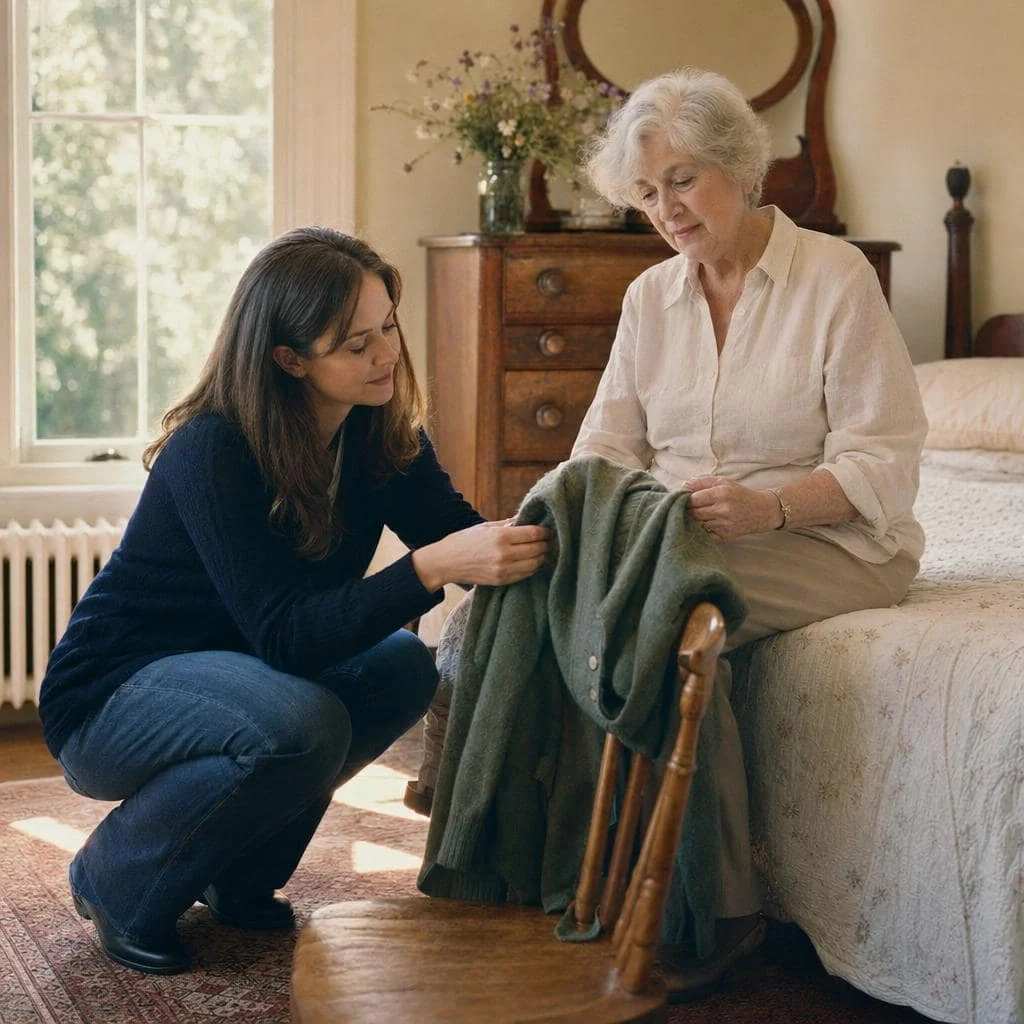
- Dressing support. Assist with clothing selection for comfort and mobility.
- Toileting aid. Support safe and dignified toileting routines.
- Skin and nail care. Monitor skin health to prevent pressure sores or infections.
Assistance with Daily Living
Caregivers help with activities of daily living (ADLs) to ensure functional, safe routines:
- Meal preparation. Plan and prepare nutritious meals based on dietary needs.
- Household tasks. Light cleaning, laundry, and maintaining a safe home environment.
- Mobility support. Help seniors move safely, use assistive devices, or accompany them on walks.
- Transportation. Provide rides to appointments, social activities, or errands.
Patient Care Management
Effective patient care requires planning, coordination, and communication:
- Medical appointments. Schedule visits, track medical records, communicate with healthcare providers.
- Health monitoring. Record vital signs, symptoms, or behavioral changes.
- Care plan implementation. Follow doctor instructions and care plans meticulously.
- Emergency preparedness. Have clear procedures for medical emergencies.
Emotional and Social Support
Caregiving involves emotional support alongside physical care:
- Companionship. Spend time talking, playing games, or engaging in hobbies.
- Mental health awareness. Recognize signs of depression, anxiety, or cognitive decline.
- Encouragement. Foster independence and self-confidence.
- Family communication. Keep relatives informed about progress, needs, or challenges.
Safety and Risk Management
Creating a safe environment is core to home care:
- Fall prevention. Remove tripping hazards, install grab bars, ensure good lighting.
- Medication safety. Store medications securely and properly dispose of expired prescriptions.
- Fire and emergency safety. Keep emergency contacts accessible and smoke detectors functioning.
- Assistive devices. Ensure proper use of walkers, wheelchairs, or other equipment.
Family Caregiver Tips
For family members balancing caregiving:
- Set realistic expectations. Recognize limits and ask for help when needed.
- Schedule breaks. Use respite care to prevent burnout.
- Stay organized. Keep calendars, medication lists, and care logs.
- Join support networks. Connect with local or online caregiver groups.
- Education and training. Learn proper techniques for lifting, transferring, or administering medications.
Professional Caregiver Duties
Professional caregivers follow structured duties to provide consistent quality care:
- Adhering to care plans. Follow instructions from healthcare providers and family members.
- Documenting care. Maintain accurate records of medications, daily activities, and health changes.
- Communication. Report observations promptly to families or medical teams.
- Specialized assistance. Provide care for individuals with chronic illnesses, dementia, or mobility challenges.
Tips for Effective Caregiving
- Stay flexible. Adjust routines based on the patient’s daily needs.
- Keep learning. Attend workshops, read guides, or consult healthcare professionals.
- Prioritize self-care. Maintain your own physical and mental health.
- Use technology. Tools like medication reminders and monitoring devices simplify tasks.
- Encourage independence. Promote autonomy to maintain dignity.
Why Caregiver Responsibilities Matter
Understanding these responsibilities benefits both patient and caregiver:
- Improves health outcomes. Accurate medication management and daily support prevent complications.
- Enhances quality of life. Proper personal care and social interaction improve emotional well-being.
- Reduces stress. Organization and clear planning make caregiving manageable.
- Builds trust. Consistent, attentive care strengthens relationships.
Whether providing care as a family member or professional, understanding caregiver responsibilities ensures quality support for the people you love. Each task, from medication management to personal care and daily living, contributes to safety, comfort, and well-being.
For assistance, reach out to Living Care Home Services.