For most adults, the flu means a rough week. For seniors, especially those managing other health conditions, it can mean a hospital stay, or worse. Every fall, we see the same pattern: a case that looks mild for the first day or two turns serious fast, usually because the early signs looked like ordinary tiredness.
Why Flu Season Is Riskier After 65
- Immune response weakens with age, so the body fights the virus less effectively and recovers more slowly
- Existing conditions, heart disease, diabetes, COPD, make complications like pneumonia far more likely
- Symptoms can present differently, sometimes without a high fever, which delays recognition
That last point is the one families miss most. A senior with the flu doesn’t always look dramatically sick right away. Sometimes it just looks like a quiet, low-energy day, which is easy to write off as “just getting older,” right up until it isn’t.
The Early Warning Signs Families Miss
- Fatigue or a drop in activity that seems out of character, even without a fever
- Loss of appetite, especially paired with reduced fluid intake
- Confusion or a change in mental clarity, which can be an early sign of infection in older adults
- A low-grade temperature that seems minor but persists for more than a day
What a Trained Presence at Home Changes
This is exactly the kind of thing that’s easy to catch when someone is in the home consistently, and easy to miss during the gaps between occasional visits. A trained caregiver or nurse who sees your loved one daily notices the shift immediately: the skipped breakfast, the extra time in bed, the voice that sounds a little different.
- Daily monitoring catches early decline before it becomes an emergency room visit
- Medication management accounts for how flu treatments interact with existing prescriptions
- Direct coordination with your loved one’s physician means faster follow-up, not a wait-and-see approach
- If needed, care can be adjusted quickly to isolate a sick household member and protect others in the home
Trusted Care, Real Numbers
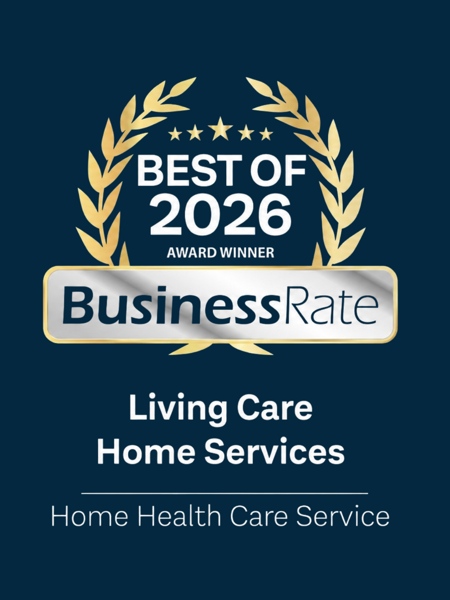
BusinessRate Best of 2026: #1 Ranked Home Health Care Agency, Doylestown, PA
2,000+ Families Served · 4.9★ Google Rating · 25+ Years in Bucks County
Consistent daily presence is how a low readmission rate happens, in flu season and every season.
“They exceeded my expectations in every way! The owners, Daniel and Jennifer Townsley, are involved in every aspect of the business and arranged a plan of care tailored to my preferences. The nurses who cared for me are top-caliber medical professionals with impressive training and credentials. I’ll be forever grateful to them.”
— Cynthia Berman, Post-Surgical Patient
Simple Precautions This Fall
- Confirm your loved one’s flu shot, and check whether their physician recommends the high-dose version for seniors
- Keep hand-washing and surface cleaning part of the daily routine, not just during an active illness
- Ask visitors who are feeling unwell to postpone, especially during peak flu weeks
- Keep your physician’s contact information somewhere easy to find, and don’t wait to call if something feels off
You don’t need to wait for flu season to become a crisis to bring in extra support. Sometimes the most valuable thing a caregiver or nurse provides isn’t a task on a checklist, it’s simply being there to notice when something’s not quite right.
Learn more about our skilled nursing services, or call us at (215) 348-4008.