When recovery happens at home, families often want to know exactly which kind of therapy helps with what. Physical therapy and occupational therapy work toward different goals, and many patients benefit from both. Here’s what separates them.
Physical Therapy: Movement, Strength, and Mobility
Physical therapists concentrate on restoring movement, flexibility, and strength. They create customized exercise plans designed to help patients regain normal joint and muscle function through targeted interventions.
Common goals of physical therapy include:
- Restoring mobility after surgery or injury
- Reducing pain and stiffness
- Preventing future injuries
- Improving balance and coordination
Physical therapy helps your body move the way it should again.
Occupational Therapy: Living Fully and Independently
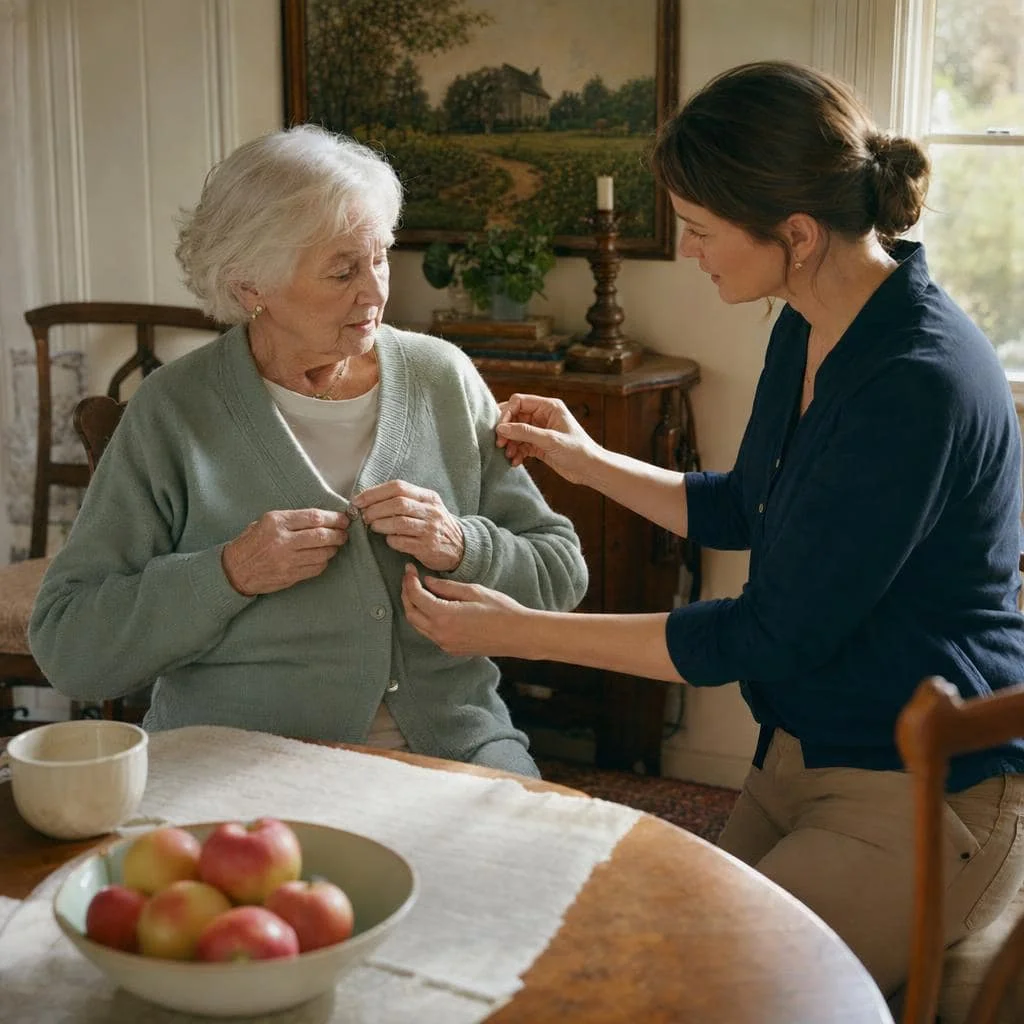
Occupational therapy focuses on helping people perform daily activities safely and comfortably, from personal hygiene to cooking, dressing, and getting in and out of bed.
Occupational therapists evaluate your ability to manage essential daily tasks, then recommend exercises, tools, or adjustments to simplify those activities.
In Bucks County homes, occupational therapy commonly addresses:
- Stroke recovery
- Cognitive or motor skill challenges
- Chronic conditions like arthritis
- Adapting to life after surgery or illness
Occupational therapy helps you live your life fully and independently, even when facing physical challenges.
The Difference at a Glance
| Aspect | Physical Therapy | Occupational Therapy |
|---|---|---|
| Primary focus | Restoring movement and strength | Regaining independence in daily activities |
| Typical goal | Improve mobility and reduce pain | Adapt to daily tasks safely and comfortably |
| Common techniques | Exercises, stretching, manual therapy | Task training, adaptive equipment, home modifications |
| Common patients | Those with injuries, surgeries, joint pain | Those recovering from strokes, chronic illness, or neurological conditions |
PT helps your body move better. OT helps your body function better in real-life situations.
OT vs. PT for Stroke Recovery
For stroke recovery, both therapies prove essential:
- Physical therapy focuses on regaining movement, strength, and balance, helping stroke patients walk again or strengthen weakened muscles.
- Occupational therapy helps retrain the brain and body to manage daily activities like writing, cooking, or dressing.
Together, these therapies provide a complete healing approach. Physical therapy builds the movement foundation, while occupational therapy restores independence.
How At-Home Therapy Works
At-home therapy brings clinical care directly to patients’ residences. In Bucks County, this service reduces travel time and keeps patients in familiar, comfortable environments.
When providing at-home therapy, the process begins with a detailed evaluation. The team assesses goals, home setup, and current physical abilities, then creates a personalized plan including:
- Guided exercises to improve strength or coordination
- Daily living skill practice (dressing, grooming)
- Home safety recommendations or equipment suggestions
How to Choose
Choosing between therapies depends on specific goals:
- Physical therapy suits those aiming to regain movement, strength, or balance after surgery, injury, or chronic pain.
- Occupational therapy fits those seeking to return to daily routines, rebuild confidence in personal care, or adapt the home for independence.
Many patients benefit from both therapies combined for comprehensive recovery.
Why Living Care Home Services
Living Care Home Services emphasizes personalized, one-on-one attention for safe and effective goal achievement. What sets it apart:
- Local professionals familiar with Bucks County healthcare systems
- Flexible scheduling fitting daily routines
- Strong communication with families and healthcare providers
- Consistent, reliable caregivers
Understanding the difference between OT and PT helps families make informed decisions for recovery. Both play important roles in helping patients move, recover, and live independently.
Reach out for a private consultation about at-home therapy services.